Levi throughout the year
When to visit Levi
Compare every month, discover what conditions to expect and find the right time for your Levi holiday.
Step one
What matters most for your Levi holiday?
Choose up to three priorities and we’ll highlight the months that best match them.
No priorities selected — all twelve months shown below
No priorities selected yet. Choose up to three above and we’ll highlight the months that best match. The full annual guide stays available either way.
Start with OctoberFilters cleared. All twelve months are listed below, October to September.
Recommendations are editorial guidance, not guarantees. Relative costs vary by exact dates, flights, accommodation, school holidays and availability. We never guarantee snow, temperatures, Northern Lights or opening dates.
Early season
October
First snow and the return of skiing
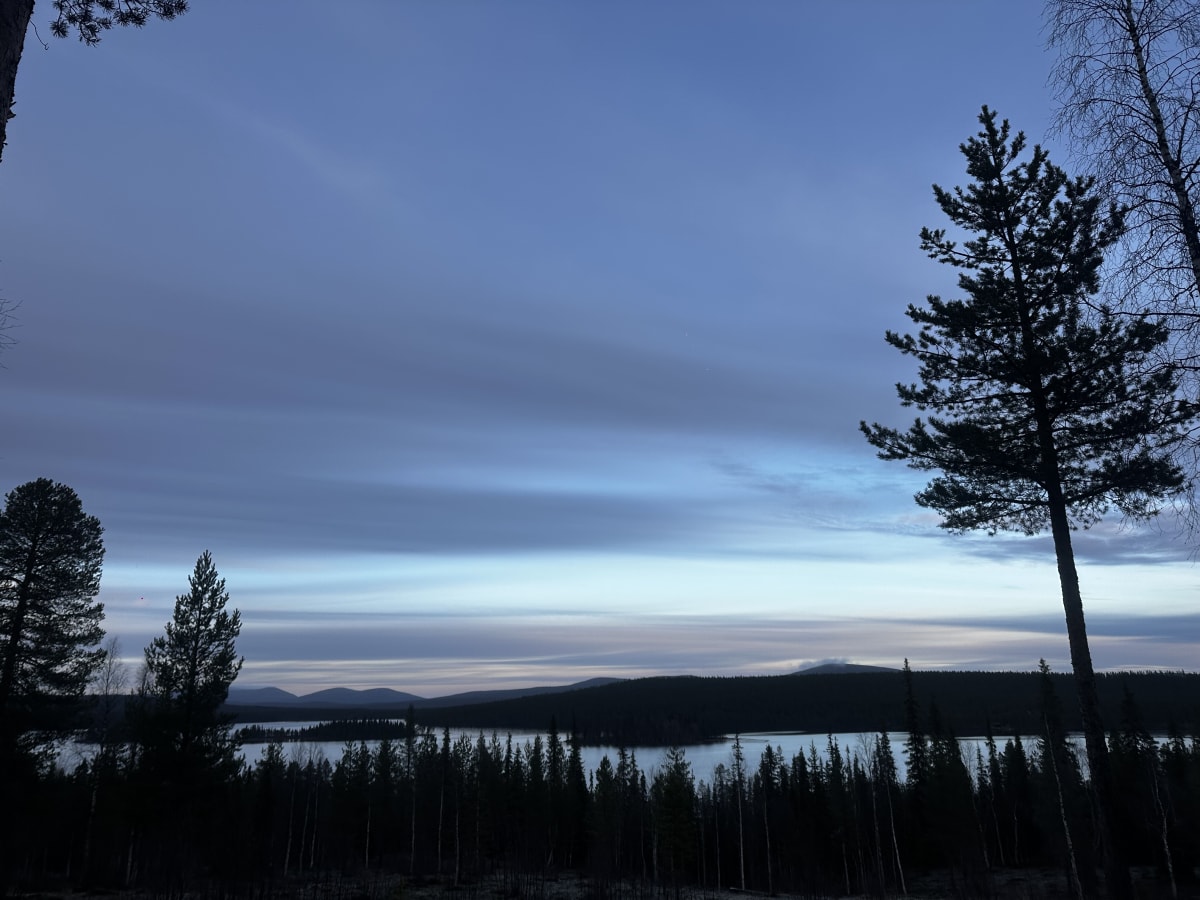
The fells turn from autumn rust to white, the air sharpens and the first lifts turn. A quiet, low-cost month for travellers who like being early.
Key planning facts
Typical holiday cost
Lower
Before winter demand begins.
Snow conditions
First snow possible
Natural cover varies; early skiing often relies on stored snow.
Dark sky & aurora potential
Good
Dark evenings return, though cloud is common.
Daylight
Dark evenings returning
approx. 11h falling to 8h
Typical daytime range
−2°C to 2°C
Mean daily min–max, historical.
What is usually open
Limited early-season skiing
Part of the winter programme only.
What to expect
Long blue hours, frost on the boardwalks and a village that is still waking up. Conditions swing week to week — you may find bare ground one day and a proper winter scene the next.
What to consider
- Natural snow may still be building, so terrain can be limited.
- Only part of the winter activity programme is usually running.
Early winter
November
Early winter before the Christmas rush
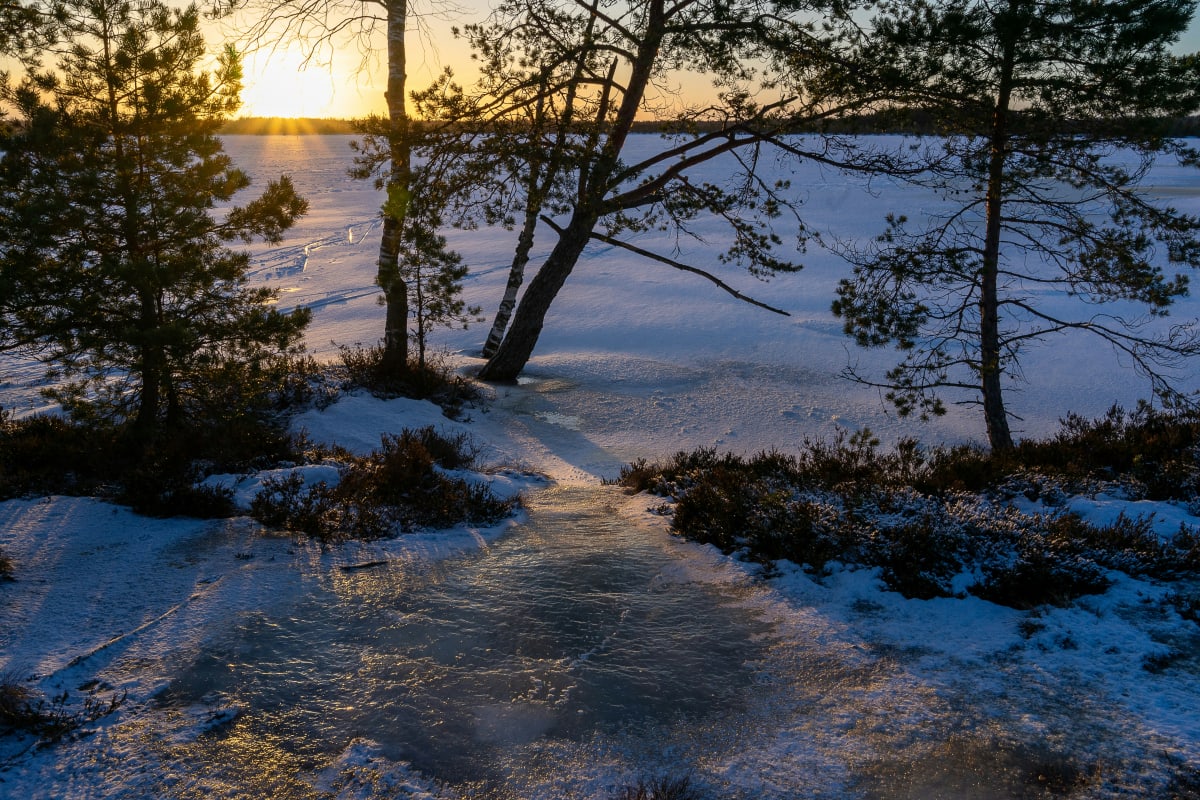
Snow settles, the winter programme opens up and the village is still calm. One of the best value windows of the whole winter.
Key planning facts
Typical holiday cost
Lower
Pre-Christmas dates are usually the best value of the winter.
Snow conditions
Snow cover building
Cover establishes through the month in most years.
Dark sky & aurora potential
Excellent
Long dark hours; sightings still depend on cloud and solar activity.
Daylight
Short days
approx. 7h falling to 4h
Typical daytime range
−8°C to −3°C
Mean daily min–max, historical.
What is usually open
Skiing and winter activities
Programme widens through the month.
What to expect
Deep blue twilight for most of the day, snow-quiet forests and easy access to guides and tables. Daylight shortens noticeably from one week to the next.
What to consider
- Snow depth and activity availability vary early in the month.
- Daylight decreases quickly — plan outdoor time around the middle of the day.
Festive season
December
Christmas atmosphere and Arctic twilight
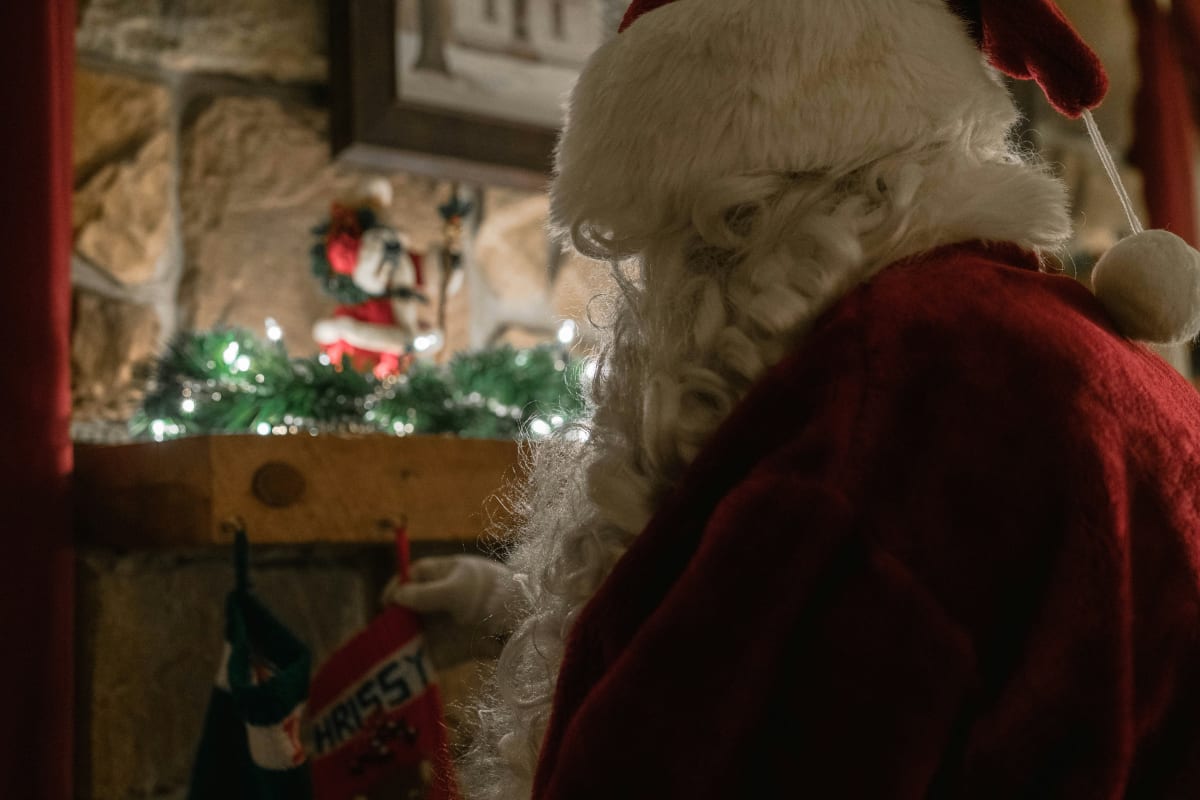
The most atmospheric and most in-demand month. Lights in the trees, reindeer bells, and the sun sitting below the horizon around midwinter.
Key planning facts
Typical holiday cost
Highest
Peak Christmas and New Year pricing.
Snow conditions
Established winter snow
Reliable cover in most years.
Dark sky & aurora potential
Excellent
Darkness is at its longest; cloud is the main limit.
Daylight
Very limited daylight
approx. 3h, with polar night around midwinter
Typical daytime range
−12°C to −6°C
Mean daily min–max, historical.
What is usually open
Full winter programme
Everything running, but capacity sells out.
What to expect
A few hours of pink twilight rather than daylight, snow on everything and a village at full tilt. Book early — the best accommodation and the best guides go first.
What to consider
- Highest demand and premium pricing — early booking is essential.
- Very short daylight; most activities run in twilight or darkness.
Deep winter
January
Deep winter at its most peaceful
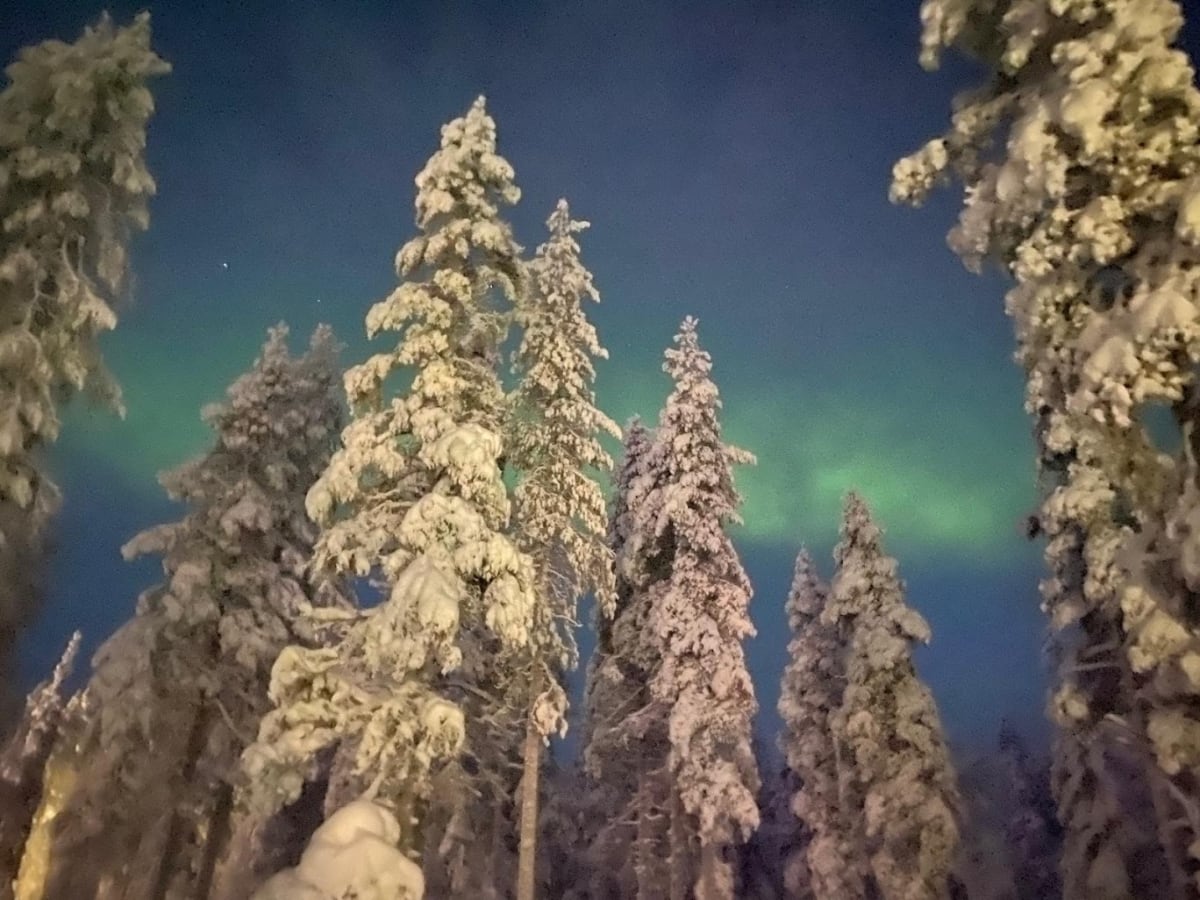
Once the festive crowds leave, Levi settles into its quietest, coldest and most reliably snowy weeks. Often the best value deep-winter dates.
Key planning facts
Typical holiday cost
Lower
Lower demand once the festive period ends.
Snow conditions
Deep winter snow
The most reliable cover of the season.
Dark sky & aurora potential
Excellent
Long, dark and often clear nights.
Daylight
Daylight increasing
approx. 1h rising to 6h
Typical daytime range
−14°C to −9°C
Mean daily min–max, historical.
What is usually open
Full winter programme
Everything running, with more space.
What to expect
Cold, still air, snow-loaded forest and empty pistes. Daylight returns steadily through the month, and the sauna feels earned.
What to consider
- Often very cold — proper layers and thermal hire matter.
- Limited daylight at the start of the month, increasing quickly after mid-January.
Classic winter
February
Classic winter with more daylight
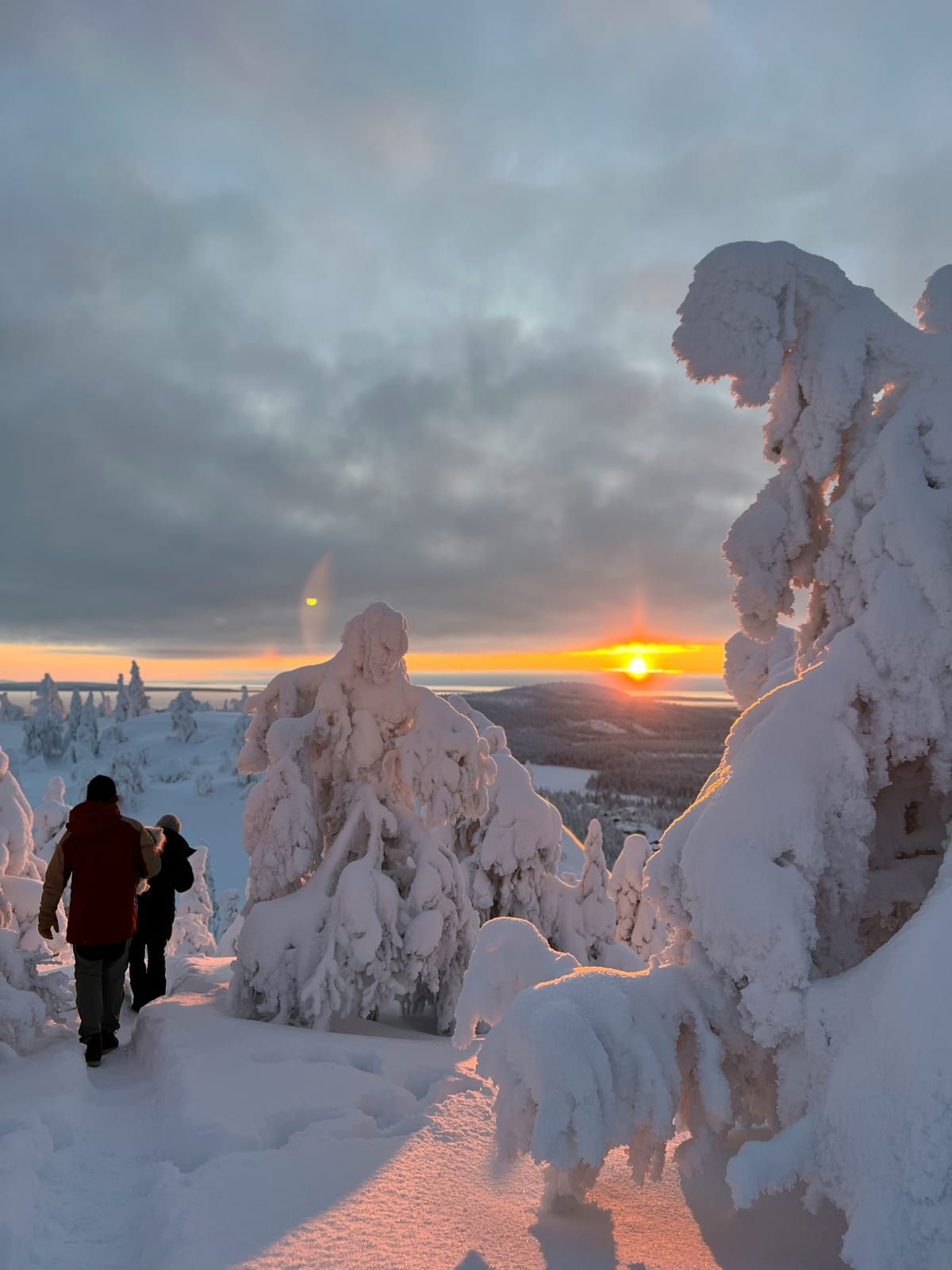
Full snow, a full programme and enough daylight for proper days on the hill. The most balanced winter month — and a popular one.
Key planning facts
Typical holiday cost
High
Rises sharply during school-holiday weeks.
Snow conditions
Deep winter snow
Dependable cover across the resort.
Dark sky & aurora potential
Excellent
Still long dark evenings before spring light returns.
Daylight
Daylight increasing
approx. 6h30 rising to 10h
Typical daytime range
−13°C to −9°C
Mean daily min–max, historical.
What is usually open
Full winter programme
Peak operations across the resort.
What to expect
Bright mornings, cold clear air and busy half-term weeks. Everything is open and the snow is at its most dependable.
What to consider
- Popular school-holiday periods, in Finland and abroad.
- Demand can rise considerably — book accommodation and lessons early.
Sunlit winter
March
Sunlit snow and long outdoor days
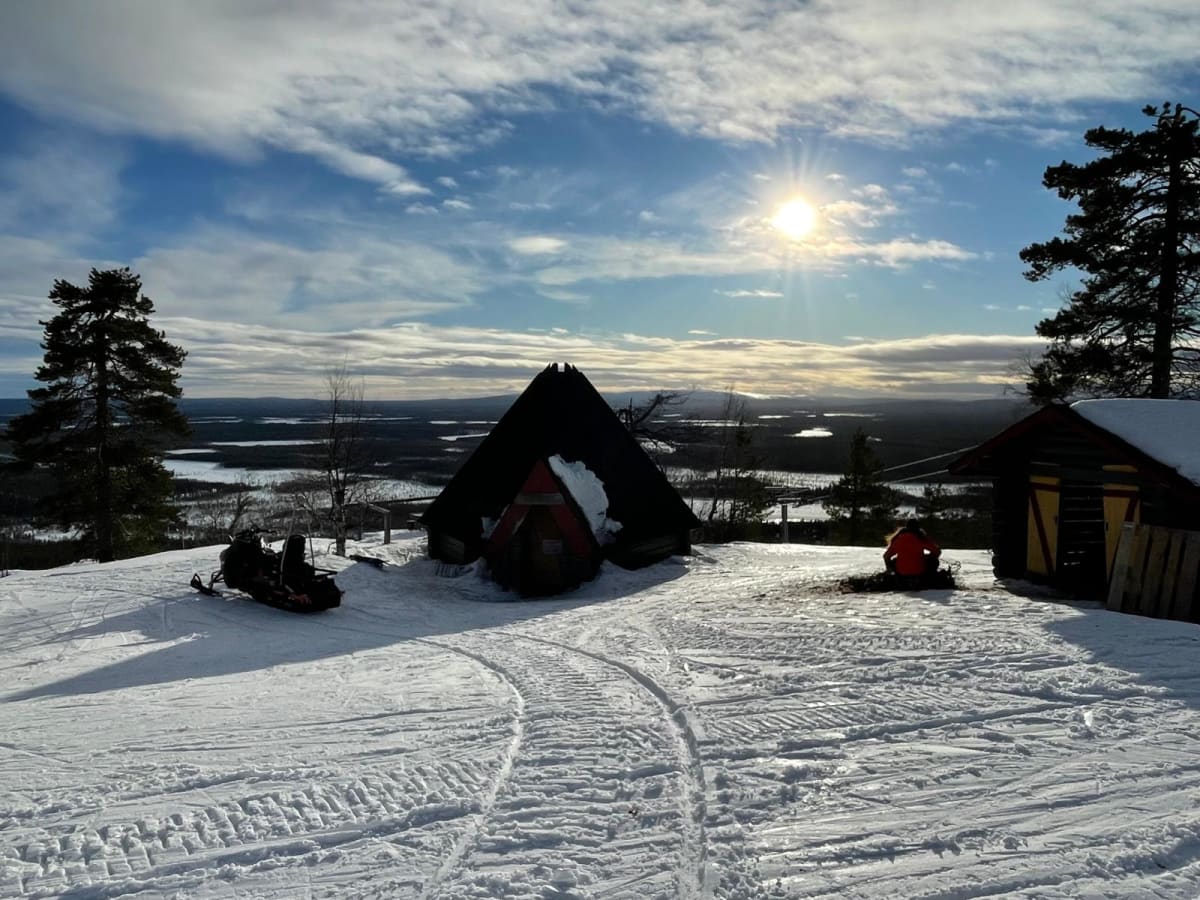
Winter with the light switched back on. Deep snow, long days and bright sun make March a favourite for active holidays.
Key planning facts
Typical holiday cost
High
Strong demand around Easter and holiday weeks.
Snow conditions
Deep winter snow
Season-high depths in most years.
Dark sky & aurora potential
Good
Equinox activity can be strong, but nights are shortening.
Daylight
Long days
approx. 10h30 rising to 14h
Typical daytime range
−10°C to −4°C
Mean daily min–max, historical.
What is usually open
Full winter programme
Full skiing and activity operations.
What to expect
Sunglasses on the chairlift, snow that softens by afternoon and cold, clear nights. Terraces open and the mood lifts.
What to consider
- Stronger daytime sun changes snow conditions through the day.
- Large differences between daytime and night-time temperatures.
Spring snow
April
Bright spring skiing and relaxed days
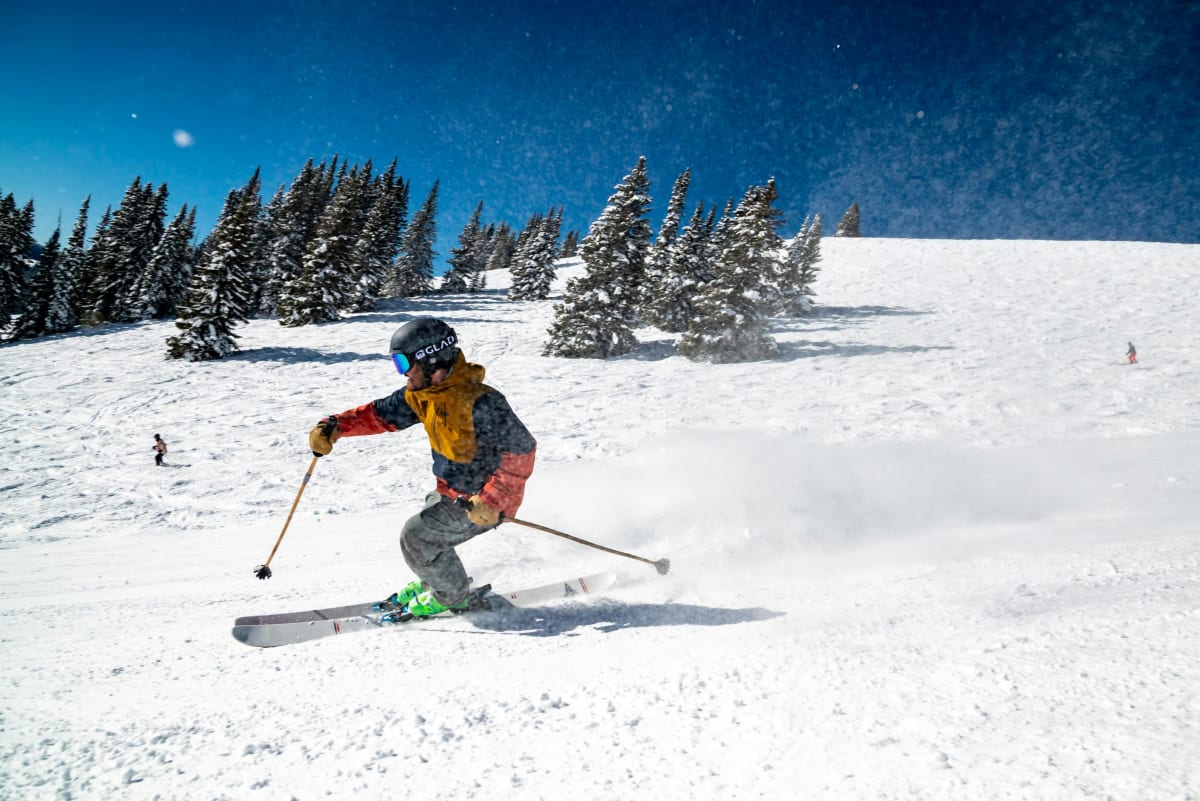
Warm sun, forgiving snow and a relaxed, social atmosphere. Spring skiing in Lapland lasts long after the Alps have closed.
Key planning facts
Typical holiday cost
Moderate
Easter peaks, then eases through the month.
Snow conditions
Reliable spring snow
Good cover on piste; conditions change through the day.
Dark sky & aurora potential
Possible
Nights are short and light — sightings are less likely.
Daylight
Long days
approx. 14h rising to 18h
Typical daytime range
−4°C to 3°C
Mean daily min–max, historical.
What is usually open
Spring skiing
Skiing continues; some activities reduce.
What to expect
Corn snow in the afternoon, terraces full, and light until late evening. Some operators begin winding down towards the end of the month.
What to consider
- Snow conditions change through the day — firm mornings, soft afternoons.
- Some operators reduce schedules later in the month.
Transition
May
The transition from snow to spring
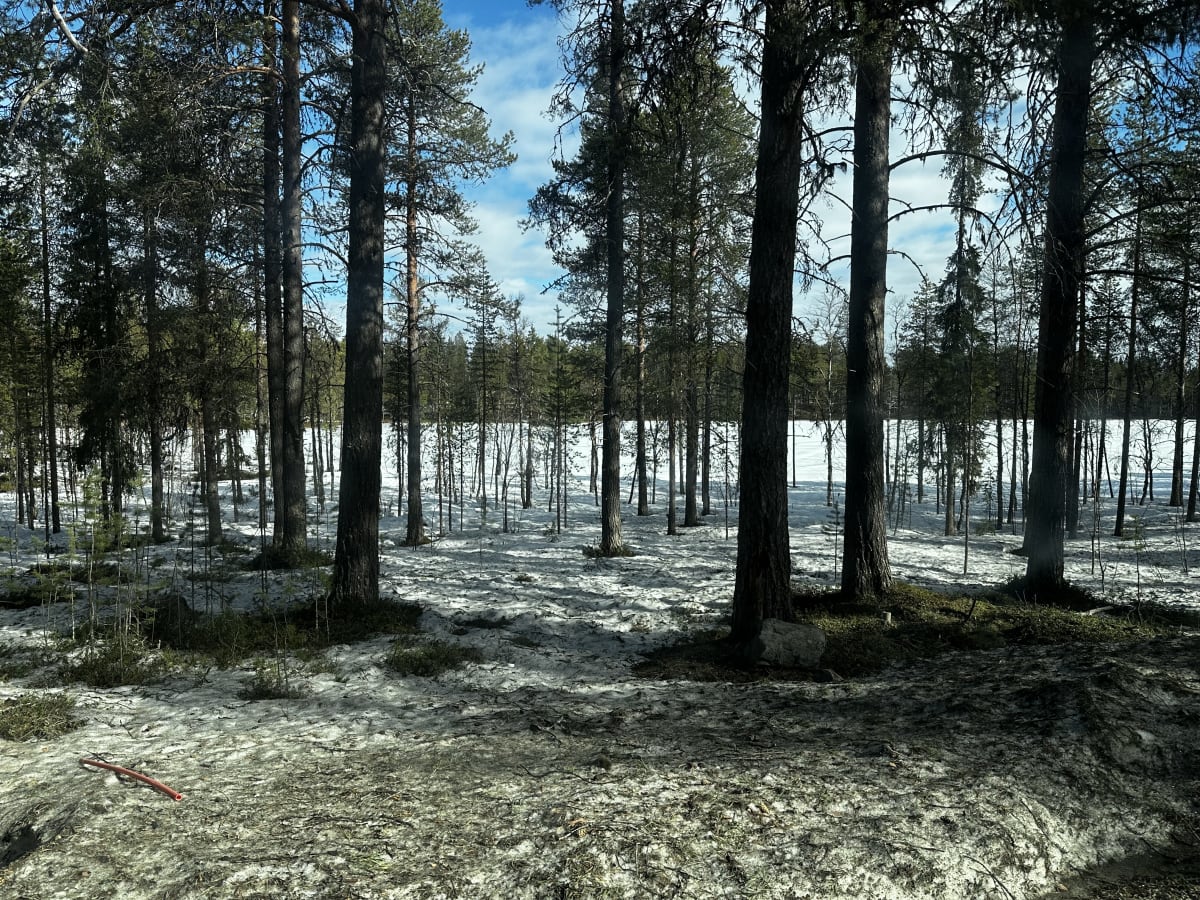
The quietest month of the year. Snow retreats up the fells, rivers run high and Levi takes a breath between seasons.
Key planning facts
Typical holiday cost
Lowest
Lowest demand of the year.
Snow conditions
Melting season
Snow lingers high; valleys clear through the month.
Dark sky & aurora potential
Limited
Nights are too light for reliable viewing.
Daylight
Nightless nights
approx. 18h rising to near-continuous light
Typical daytime range
1°C to 9°C
Mean daily min–max, historical.
What is usually open
Transition-season operations
Reduced; check current opening information.
What to expect
Long light evenings, patchy snow and very few other visitors. Availability varies as winter operations close and summer ones prepare.
What to consider
- Paths can be wet and muddy as snow melts.
- Availability varies between winter and summer operations.
Midnight sun
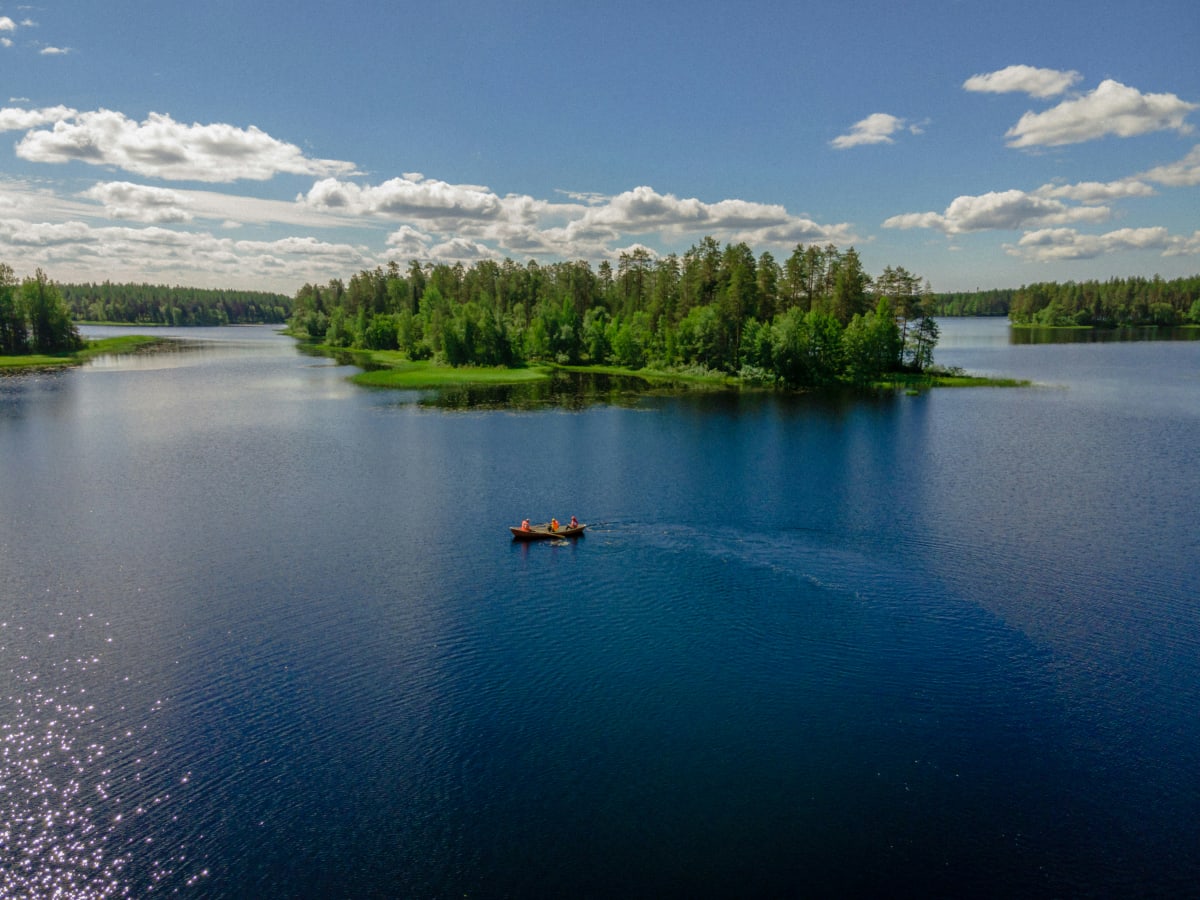
June
Midnight sun and the start of summer
The sun stops setting. Trails dry out, bikes come out and the fells stay bright through the night.
Key planning facts
Typical holiday cost
Lowest
Among the lowest of the year; midsummer weekends are busier.
Snow conditions
Usually snow-free
Occasional patches high on the fells early in the month.
Dark sky & aurora potential
Not available during light nights
The sky never darkens enough.
Daylight
Nightless nights
continuous daylight (midnight sun)
Typical daytime range
7°C to 15°C
Mean daily min–max, historical.
What is usually open
Hiking and cycling season
Summer trails and services opening.
What to expect
Endless light, fresh green birch and cool nights. Weather is changeable and insects appear as the ground warms.
What to consider
- Variable weather — pack for both sun and cold rain.
- Insects may be present; a sleep mask helps in continuous daylight.
High summer
July
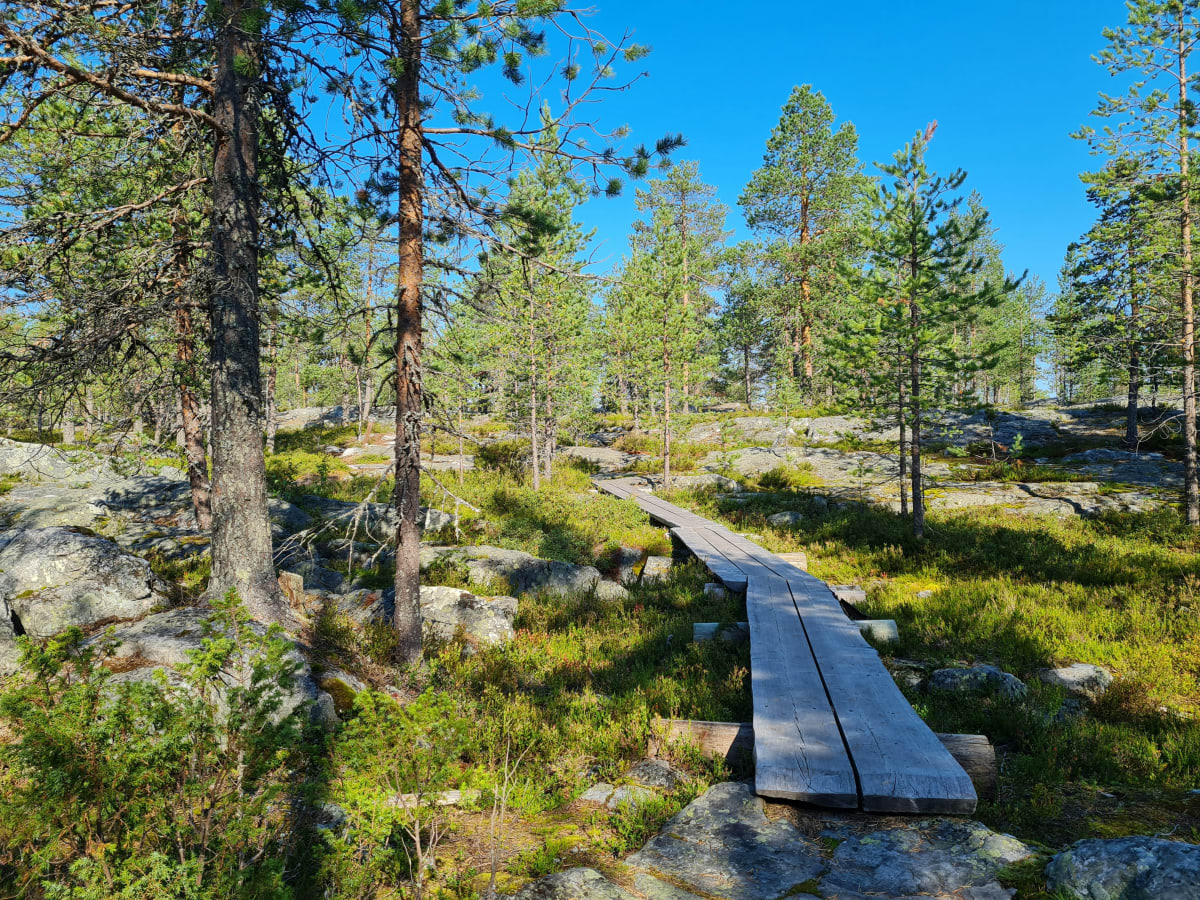
Levi’s most active summer month
The warmest, busiest and most active summer weeks: bike parks, lakes, long hikes and light that never really goes.
Key planning facts
Typical holiday cost
Lower
Still low, though the Finnish summer-holiday season lifts demand.
Snow conditions
Usually snow-free
No snow expected.
Dark sky & aurora potential
Not available during light nights
Light nights continue.
Daylight
Nightless nights
continuous daylight, easing to approx. 20h
Typical daytime range
11°C to 18°C
Mean daily min–max, historical.
What is usually open
Summer attractions and trails
Peak summer operations.
What to expect
Warm afternoons, cool water and full summer services. Weather swings from hot and still to grey and wet within a day.
What to consider
- Changeable weather — waterproofs are worth packing.
- Insect protection is useful, especially near water and marshland.
Late summer
August
Late summer and returning dark skies
Warm days, cool nights and the first proper darkness since spring. Berries and mushrooms arrive; the fells begin to turn.
Key planning facts
Typical holiday cost
Lowest
Eases further once the Finnish holiday season ends.
Snow conditions
Usually snow-free
No snow expected.
Dark sky & aurora potential
Possible
Late-month nights darken enough for a chance of sightings.
Daylight
Long days
approx. 19h falling to 15h
Typical daytime range
9°C to 15°C
Mean daily min–max, historical.
What is usually open
Summer attractions and trails
Summer operations continue; some reduce late in the month.
What to expect
Still-green forest with the first hints of colour, quieter trails than July, and star-filled skies late in the month.
What to consider
- Cooler nights — bring warm layers for evenings outdoors.
- Conditions can shift quickly towards autumn late in the month.

Autumn colour
September
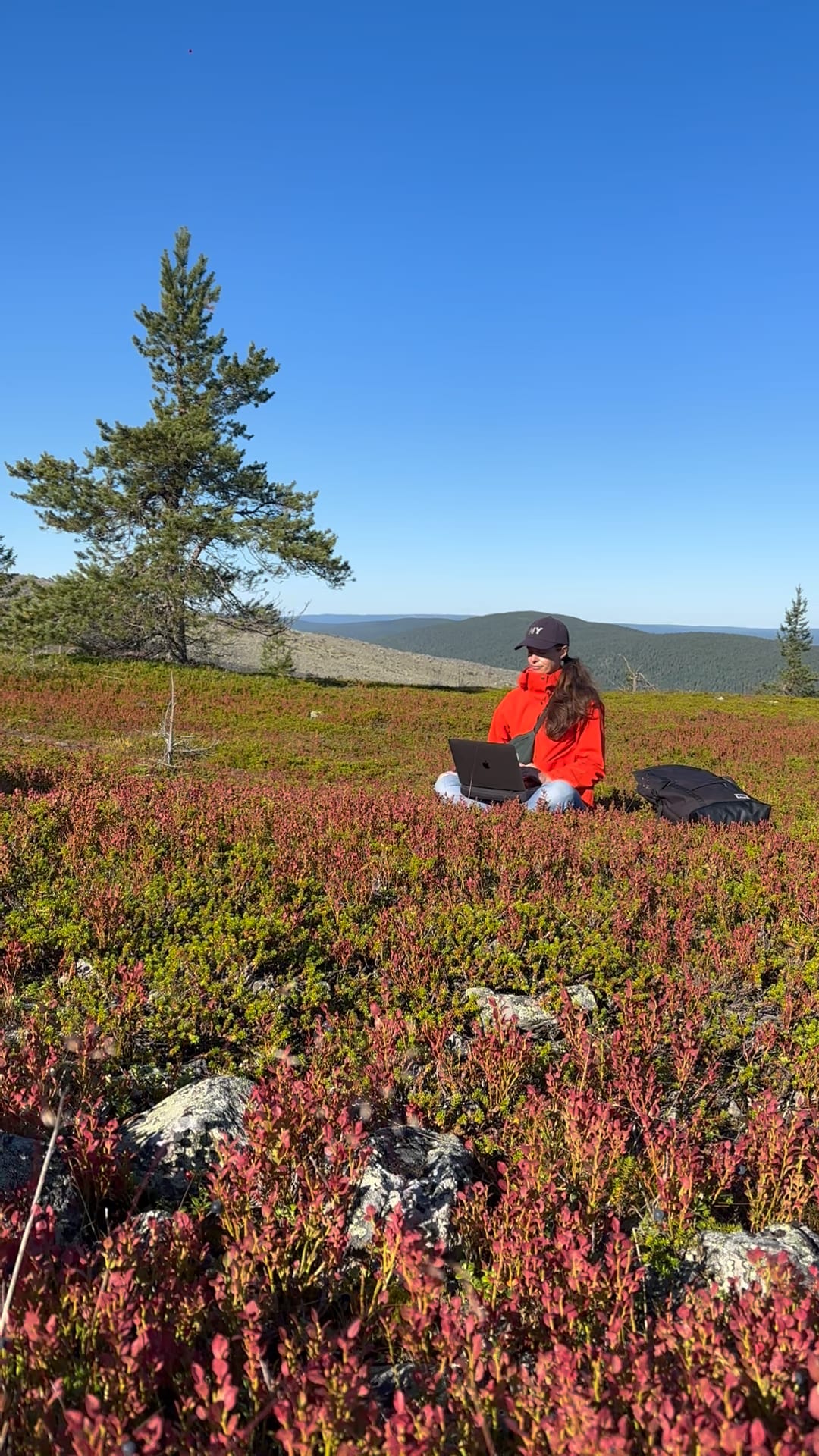
Autumn colour across the fells
Ruska: the short, spectacular Lapland autumn. Crisp air, red and gold fells, clear dark nights and very few people.
Key planning facts
Typical holiday cost
Lower
Good value outside the ruska peak weeks.
Snow conditions
Usually snow-free
Early snow is possible but not expected.
Dark sky & aurora potential
Good
Dark, often clear nights return.
Daylight
Short days
approx. 15h falling to 12h
Typical daytime range
5°C to 10°C
Mean daily min–max, historical.
What is usually open
Hiking and cycling season
Autumn trails; services wind down late in the month.
What to expect
Colour that changes week by week, quiet trails and the first frosts. A photographer’s and walker’s month.
What to consider
- Peak colour varies each year and lasts only a couple of weeks.
- Temperatures may fall quickly; early snow is possible but not guaranteed.
